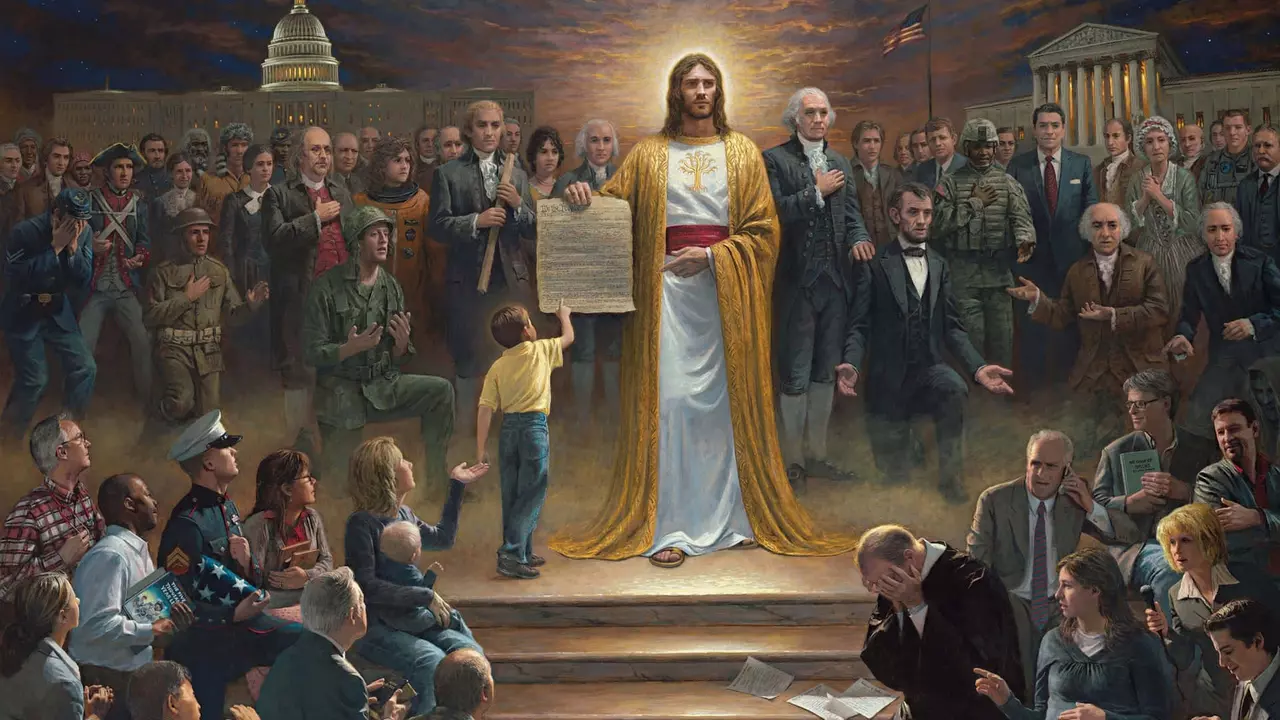
Strap on your future-goggles folks, we're about to blast off to religion, 100 years from now! Imagine a world where religion has adapted to our tech-savvy lives, with AI pastors and VR meditation sessions. We might witness a surge in spiritual but not religious folks, as people seek personal enlightenment over organized doctrines. However, don't be surprised if the old guard religions are still hanging around, albeit with a modern twist or two. So, in a century, we might all be following the teachings of an AI Buddha or attending holographic church services. Now how's that for a holy-rollercoaster ride? (Read More)
Well folks, let's dive into the world of Quora with a specific focus on the creative, atheist corner of it. Now, this area is packed with all sorts of challenging questions, intellectual debates, and let's not forget, a good dose of humor, because who says atheists can't be funny? From discussions on the existence of God to dissecting religious beliefs, these Quora threads are like a roller coaster ride - exhilarating, insightful, and sure to leave you a bit dizzy. Just remember to buckle up, because you never know when a thought-provoking question might leave you pondering deep into the night. And hey, whether you're a believer, a non-believer, or just a curious cat, there's something for everyone, so come join the fun! (Read More)

This blog post delves into the perception of Christianity as 'creepy' by some individuals. It explores various elements such as its focus on life after death, the concept of sin and redemption, and the symbolism used in rituals that can seem eerie to outsiders. It also delves into the misinterpretations and misconceptions that contribute to this view. However, it concludes by emphasizing that the 'creepiness' is often a result of misunderstanding the religion's teachings rather than the religion itself. It's essential to take note that this perspective is subjective and not shared by everyone. (Read More)
As a blogger, I believe it's important to respect all belief systems, therefore, I don't endorse one over another. Personally, I follow a path that promotes kindness, understanding, and respect for all individuals, regardless of their religious or philosophical beliefs. I believe that it's more about how we treat one another, rather than what religious or belief system we align with. This belief system of mine, which doesn't necessarily align with a specific religion, encourages me to be open-minded and understanding towards all. It's a belief in unity, empathy, and mutual respect. (Read More)
In my recent blog post, I discuss my personal unease experienced around holy symbols. I delve into the possible psychological and emotional triggers that might be behind this feeling, such as past negative experiences or cultural influences. I further explore the idea that this discomfort could be connected to a lack of understanding or fear of the unknown. I also seek to normalize such feelings, emphasizing that everyone has unique reactions to religious iconography. Lastly, I suggest ways to manage and navigate this unease, promoting acceptance and open-mindedness. (Read More)
In my understanding, the real concept of holy places revolves around spaces that hold deep spiritual significance for believers. These sacred sites often serve as a focal point for religious practices and spiritual growth, fostering a sense of connection with the divine. People visit these hallowed grounds to seek inner peace, healing, or divine guidance. While the specifics may vary among different religions and cultures, what unites them is the shared belief in the sanctity and power of these spaces. Ultimately, holy places help us transcend our everyday lives, allowing us to connect with something greater than ourselves. (Read More)